The cosmos made visible
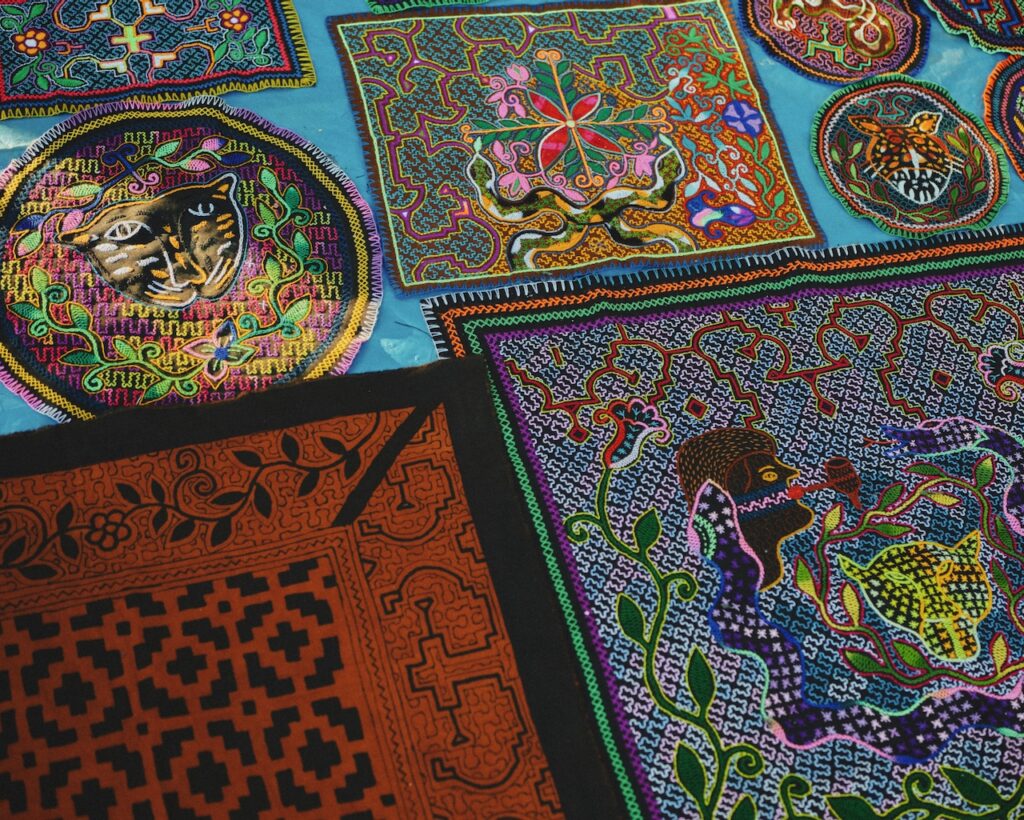
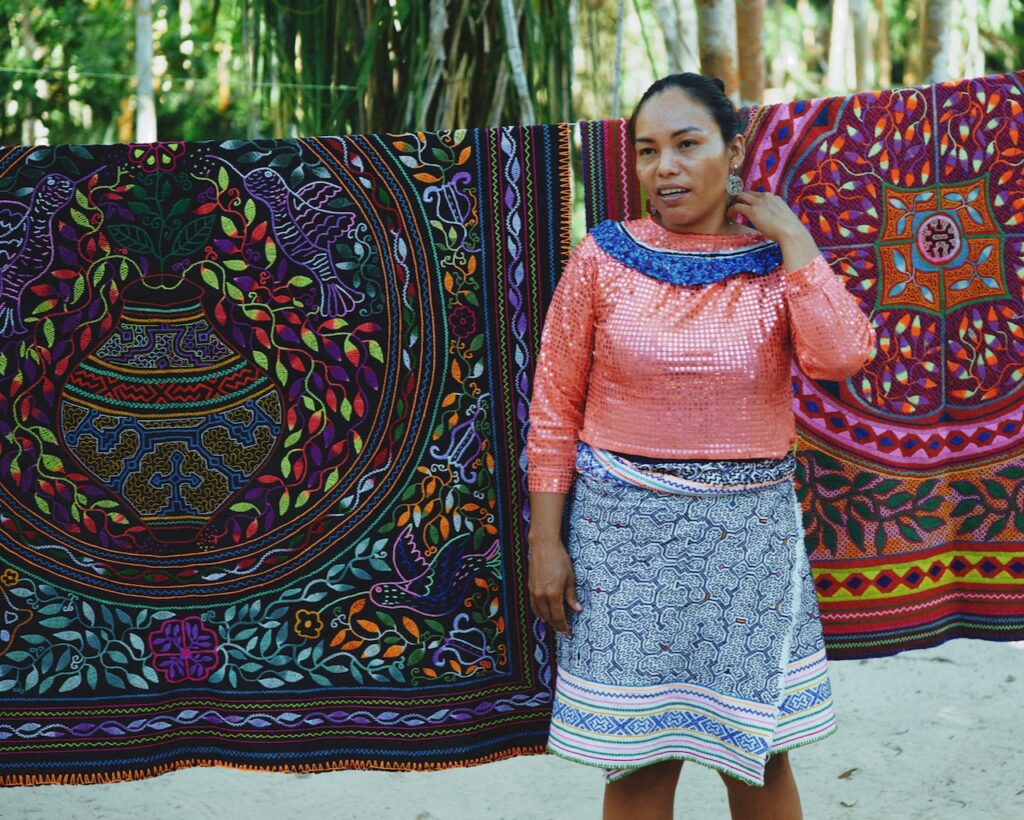
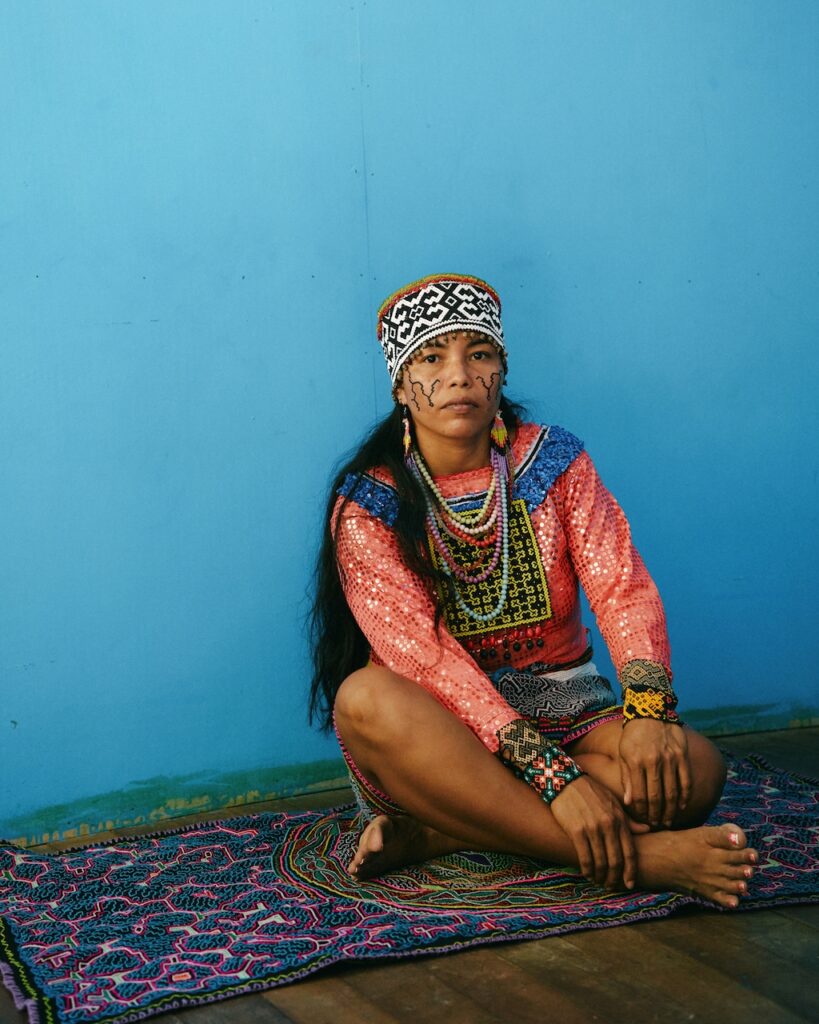
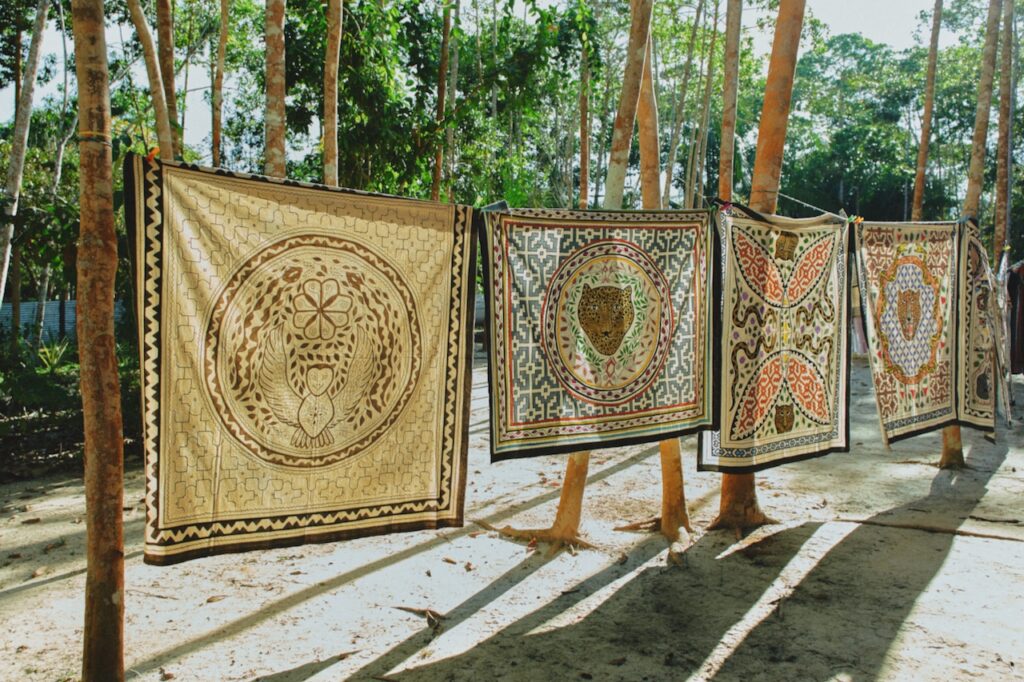
To the Shipibo-Konibo, Kené, meaning design, is far more than a pattern. It is the cosmos made visible. We, the artisans, are the guardians of this sacred calligraphy: a complex aesthetic system that serves as a spiritual map of the Amazon. Just as a seed contains the silent blueprint for a towering tree, Kené holds the encoded knowledge of the universe.
Recognising the value of this ancestral knowledge, Peru’s National Institute of Culture declared Kené part of the nation’s Intangible Cultural Heritage in 2008. Since then, it has endured as a living tradition, enriching our world while safeguarding the spiritual landscape of the Shipibo-Konibo people.
Vision before creation
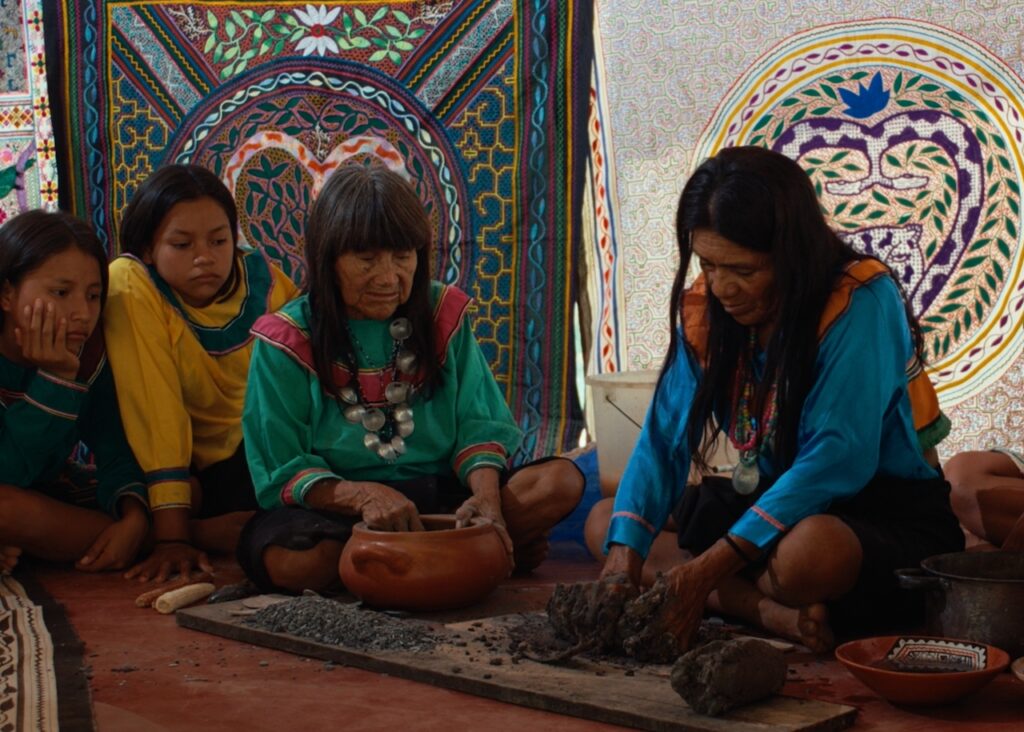
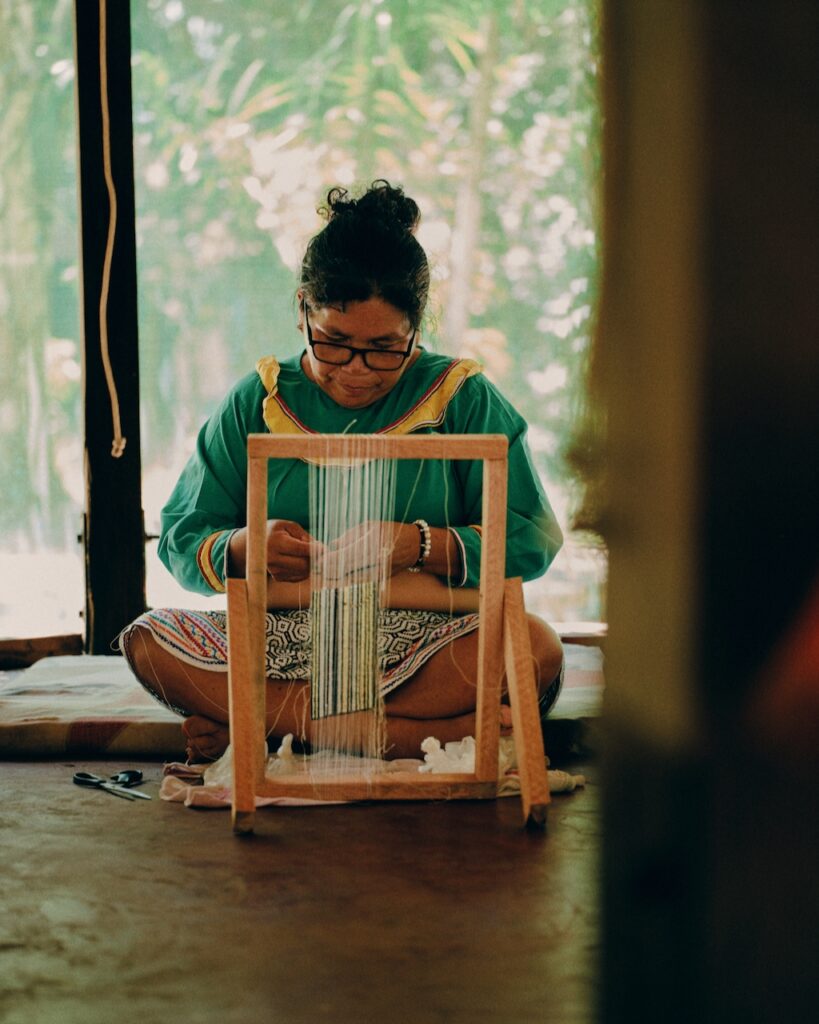
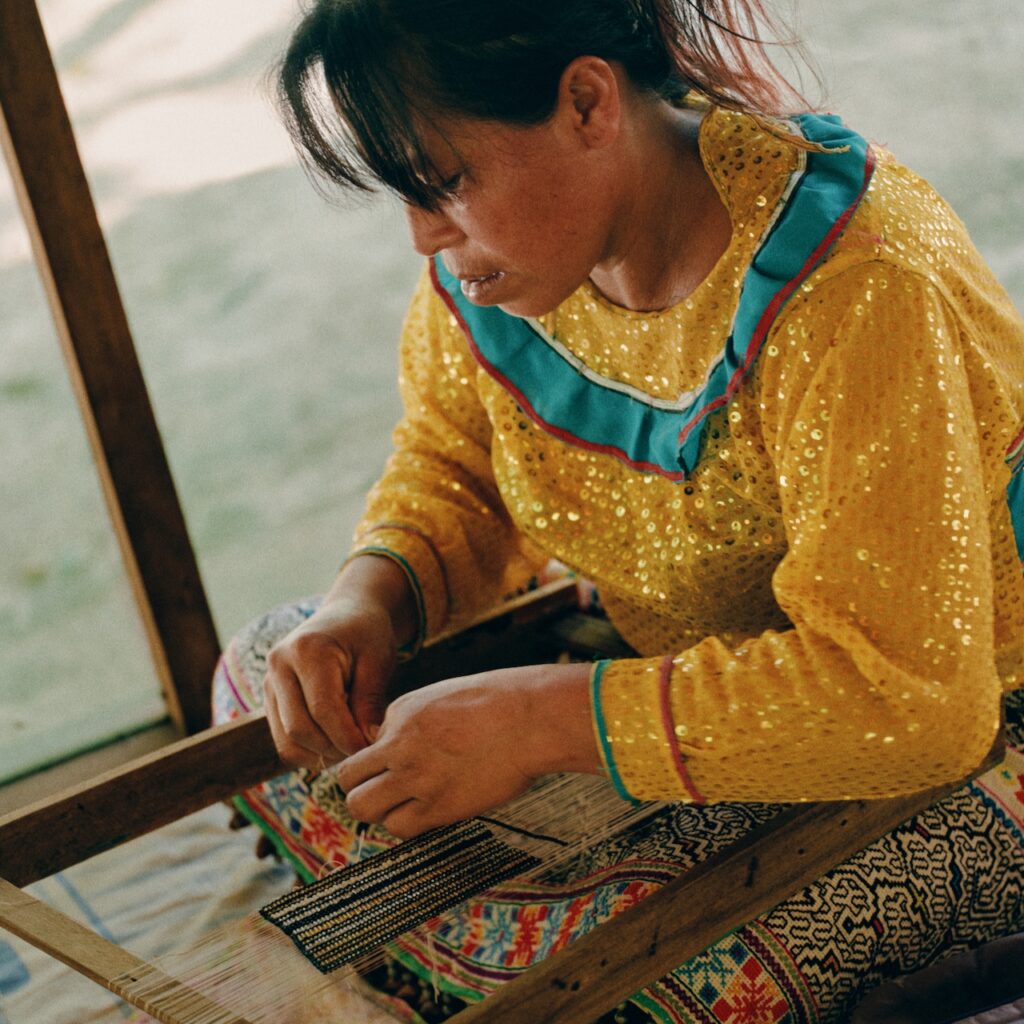
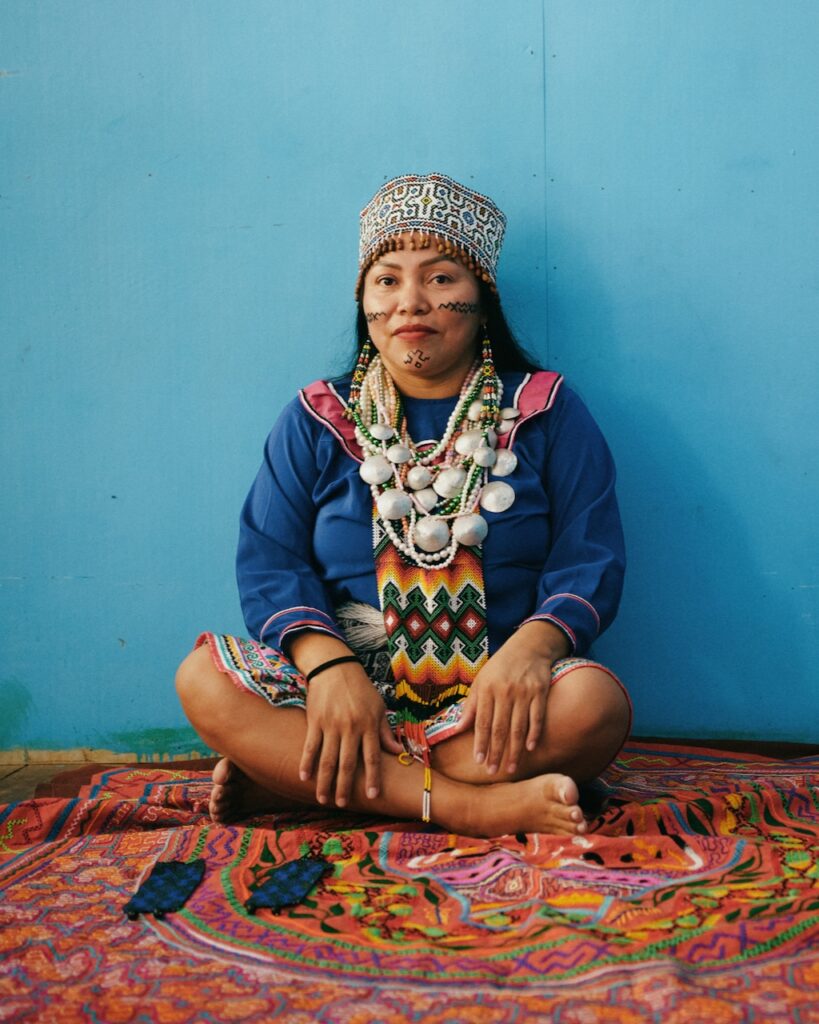
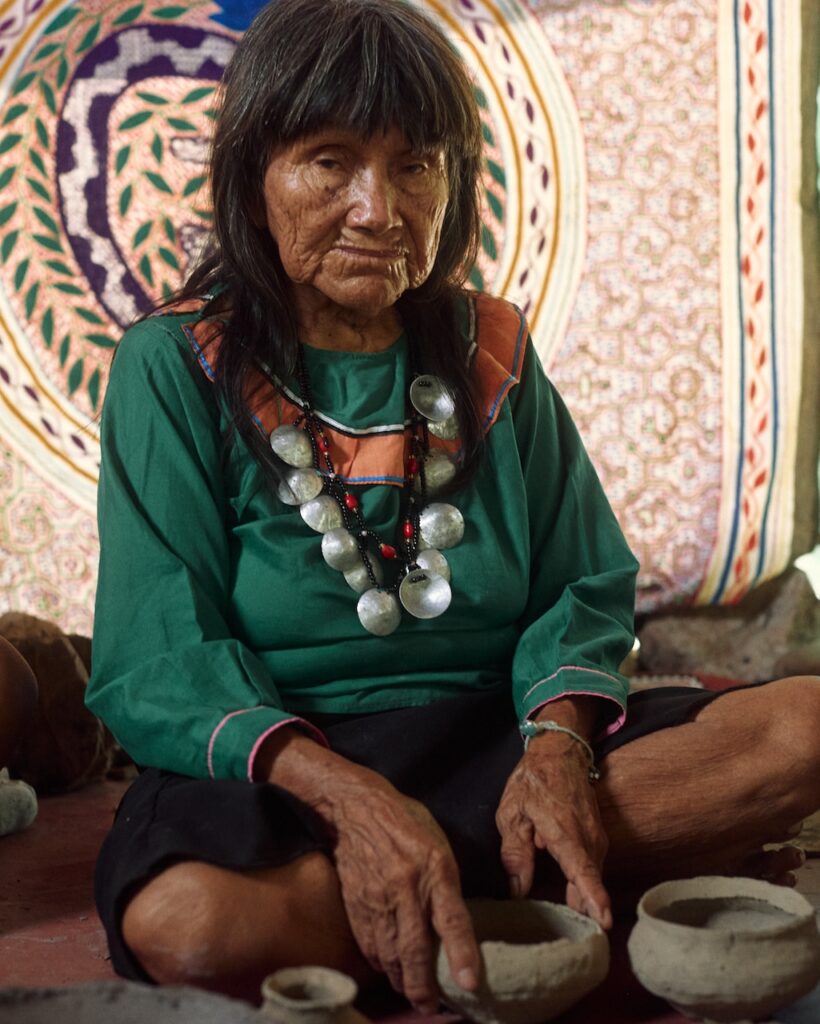
This art belongs to women, a profound inheritance passed down through the generations. Mastery begins not with the hand that creates, but with the spirit. Following ancestral tradition, young girls are introduced to the use of powerful plants known as Rao from early childhood, believed to awaken the senses.
During a ritual, the Piriri plant is applied to their eyes to awaken their Shinan – their capacity for thought, imagination, and perception. Long before they begin creating Kené, these intricate designs first appear to them in dreams.
A vessel for healing
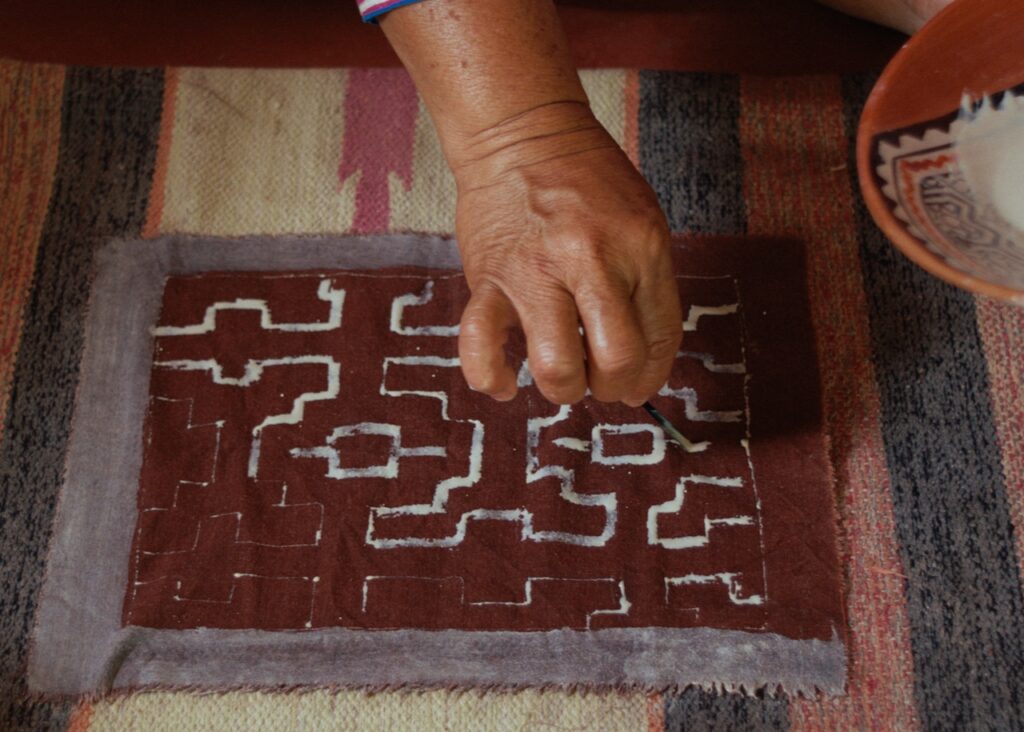
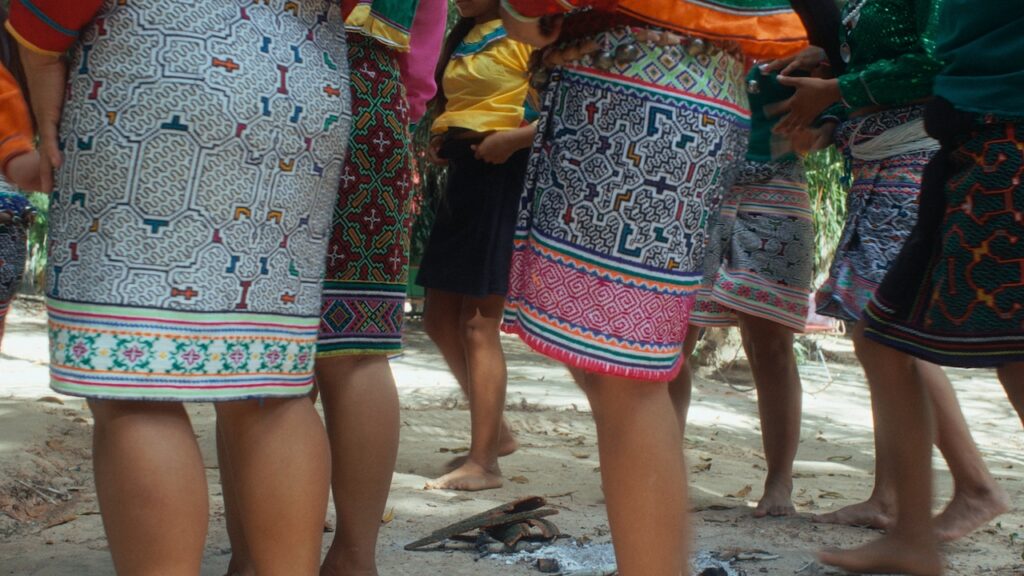
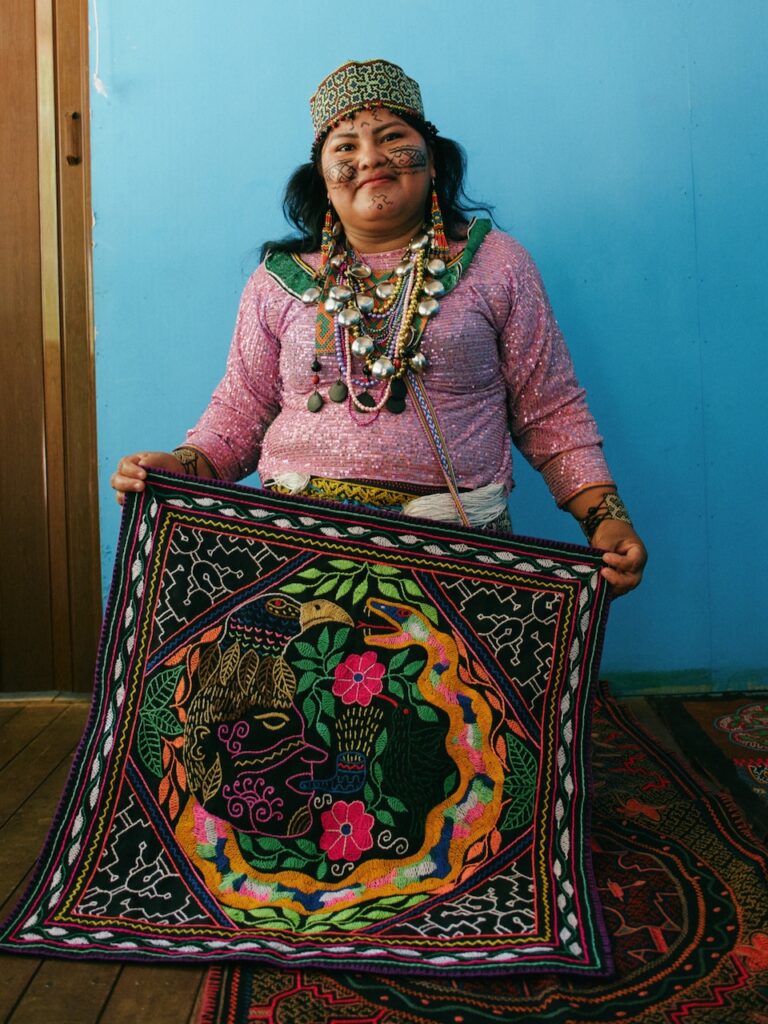
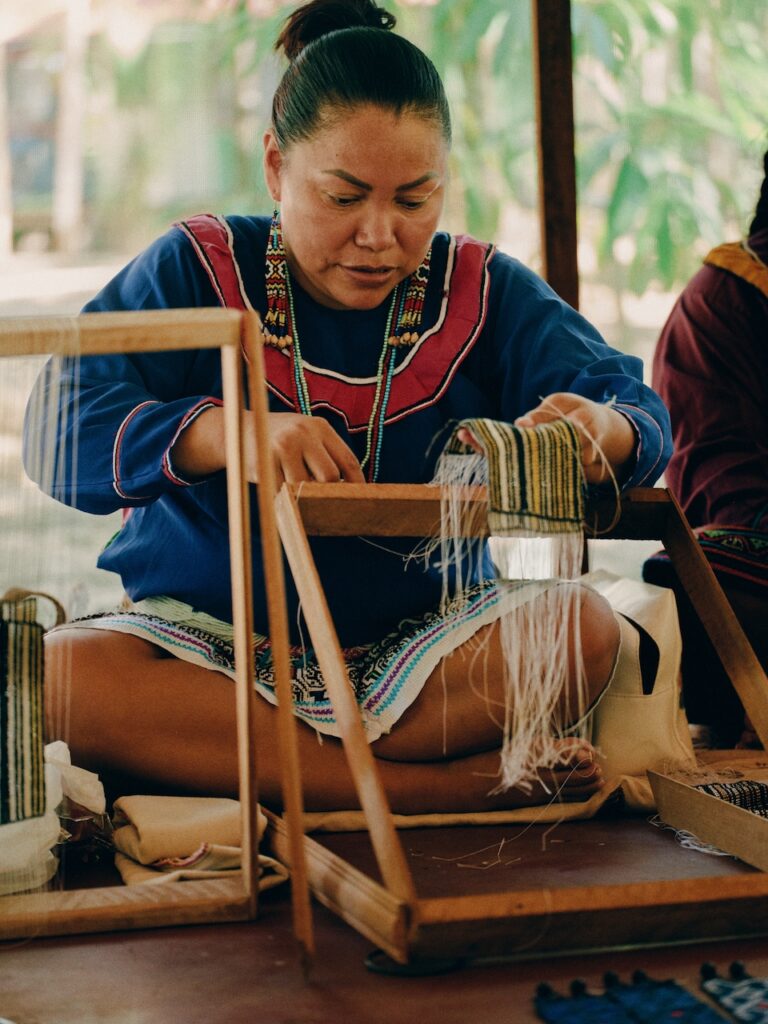
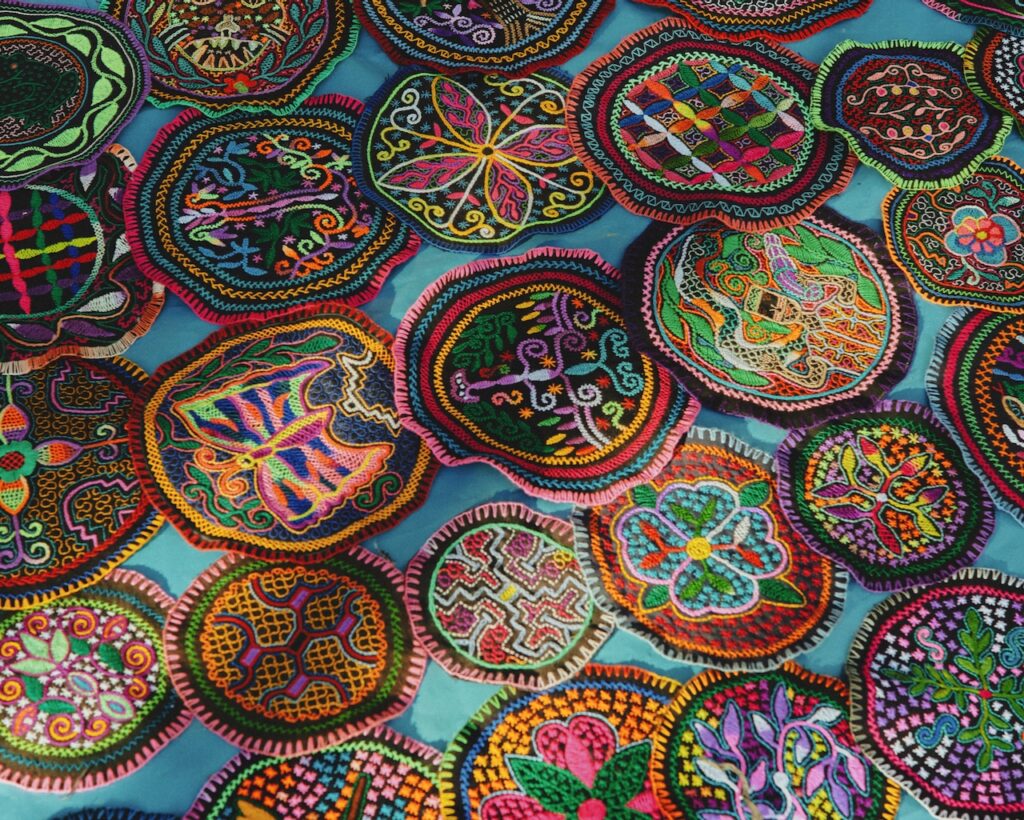
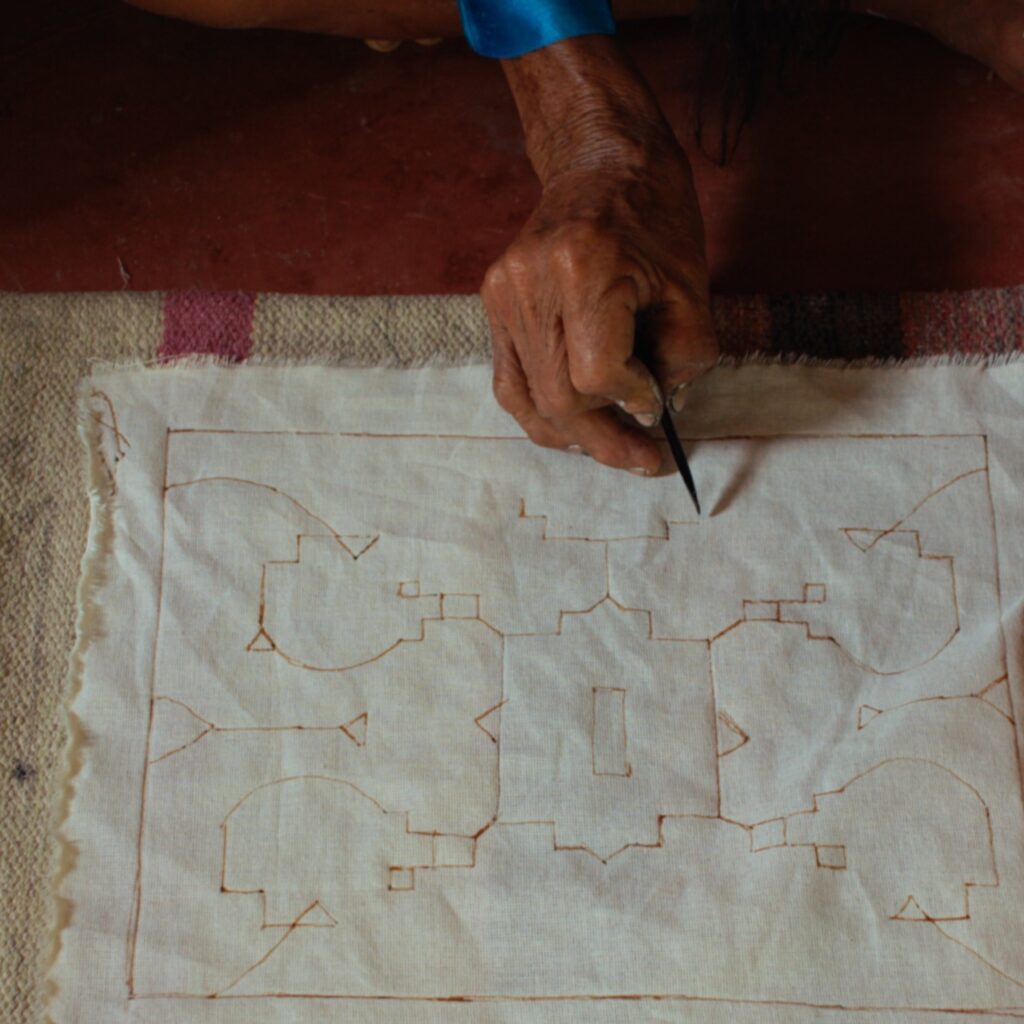
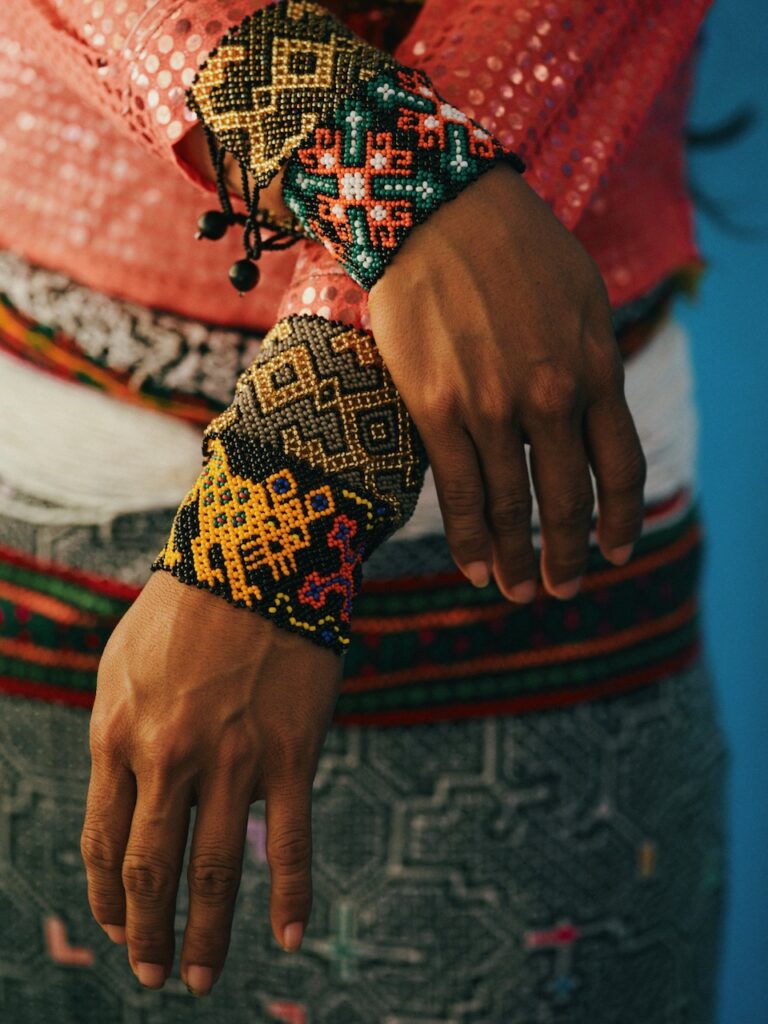
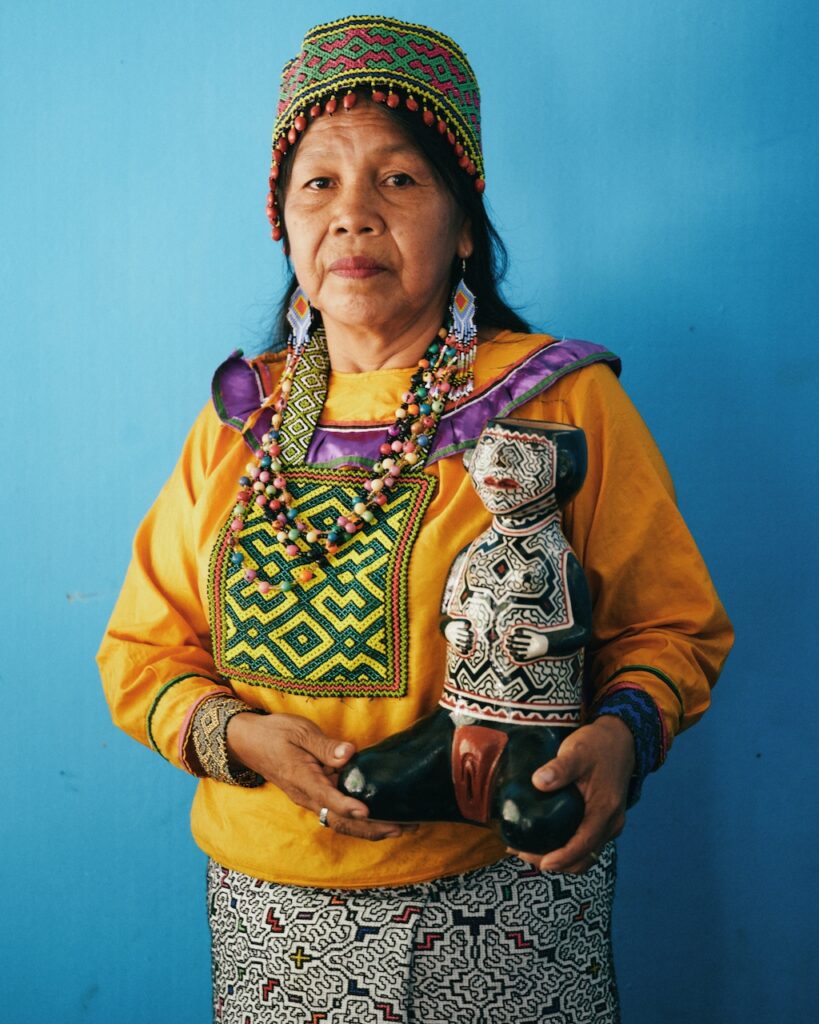
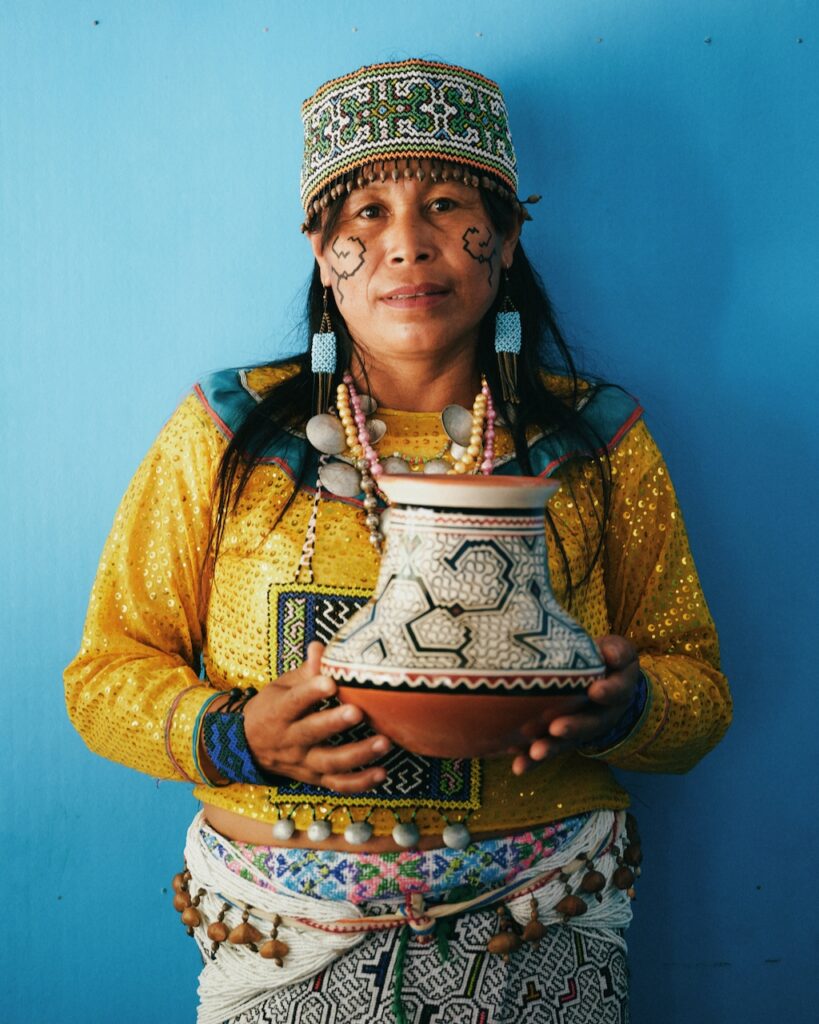
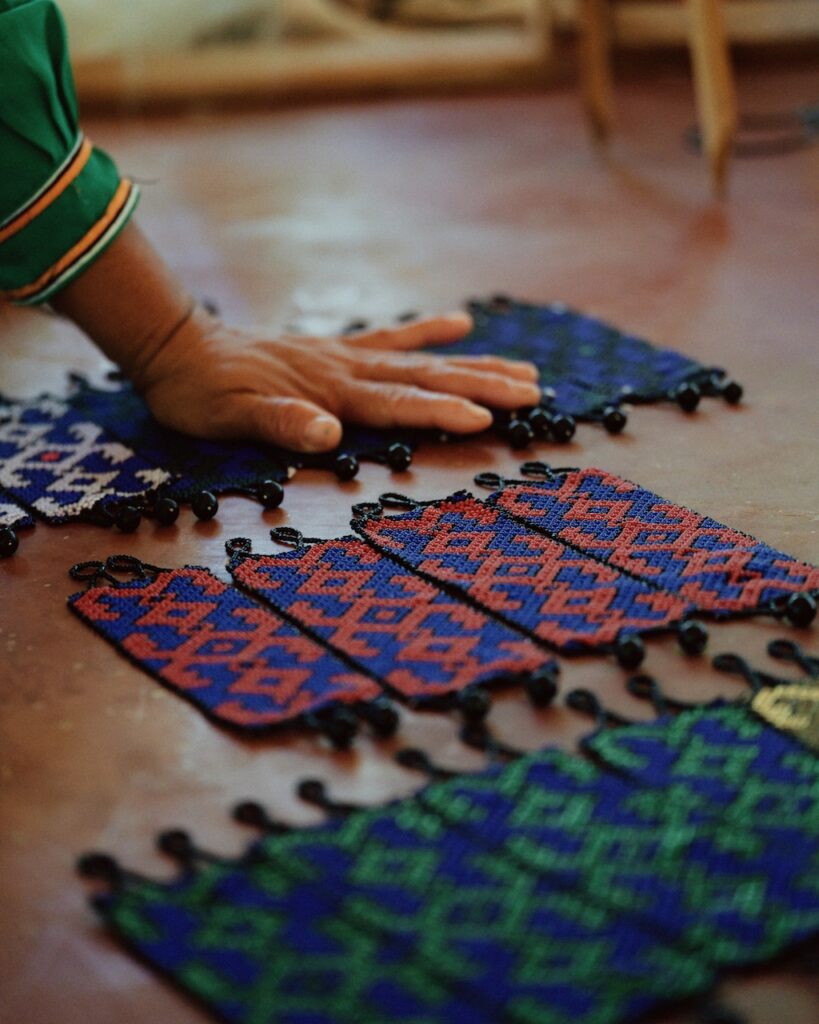
Once envisioned, Kené takes physical form. It can be painted with natural dyes on textiles, ceramics, and wood; embroidered with coloured threads; carved into clay or wood to create reliefs; or woven into intricate beadwork for jewellery, banners, crowns, and other ceremonial objects. Yet the physical object is only a vessel. The visible patterns we create are manifestations of the invisible designs revealed through visionary and healing practices.
Although the creation of Kené is traditionally the work of women, the vision itself, accessible to both women and men through the ritual use of master plants, remains central to the Onanya’s healing practices. Every geometric path we trace seeks to unite the spiritual and the material, channelling the healing energy of the plants into the surrounding world.
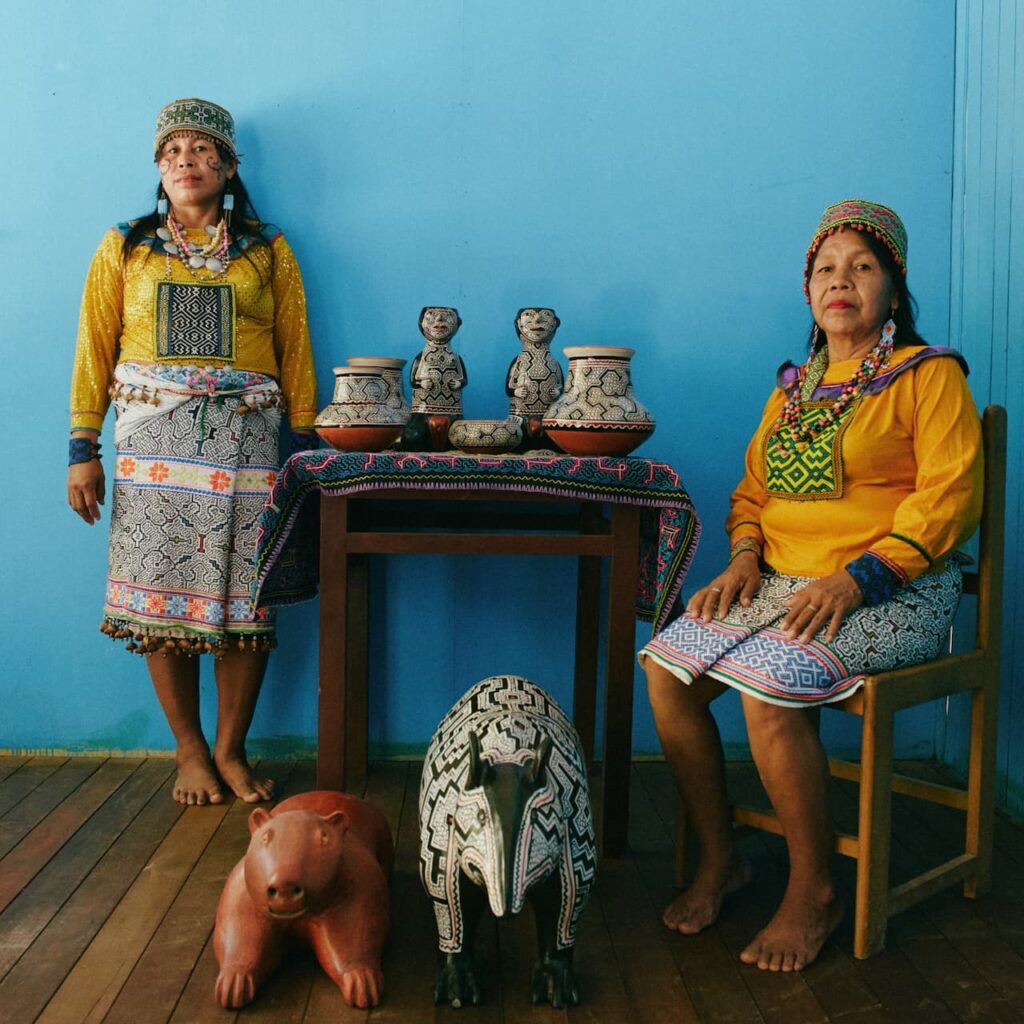
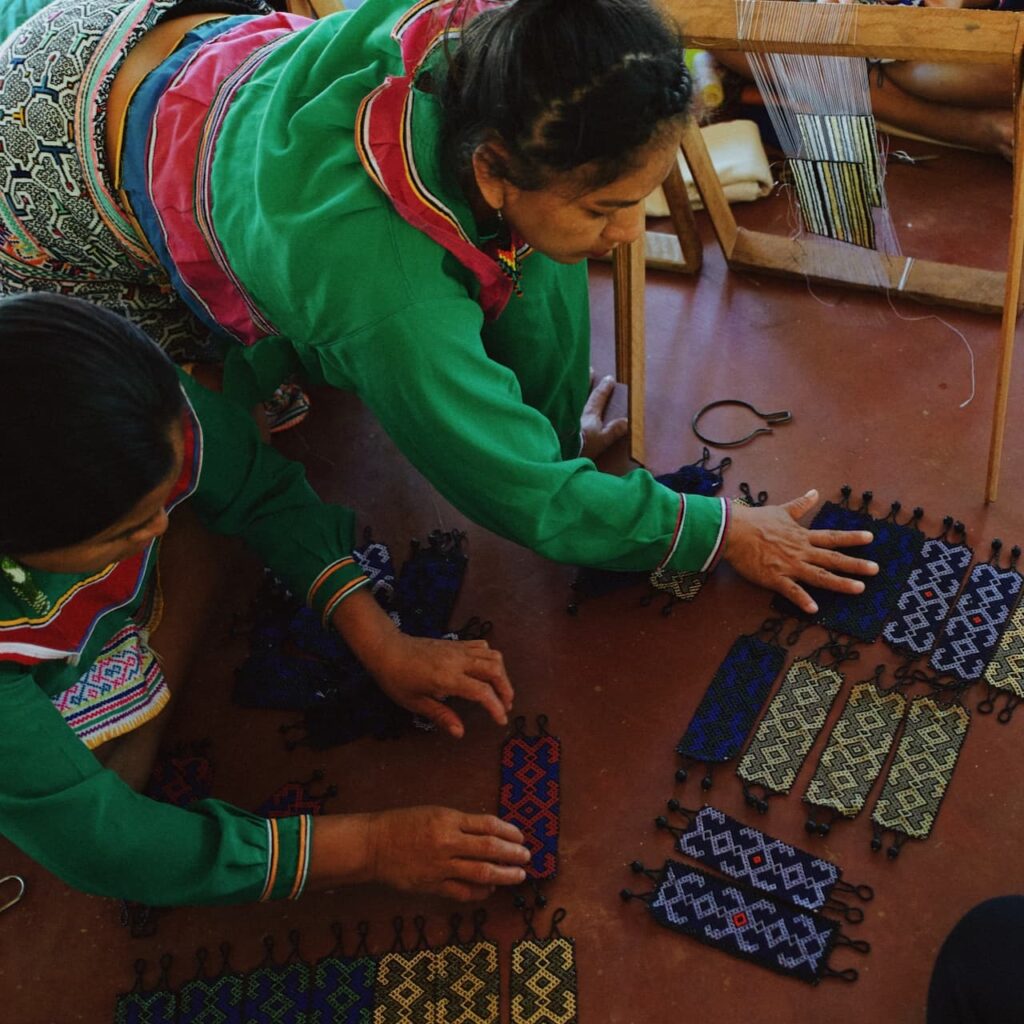
KENÉ ACROSS TEXTILES, CERAMICS, WOOD AND JEWELLERY